







Flat Bottom Pouch with Zip Lock
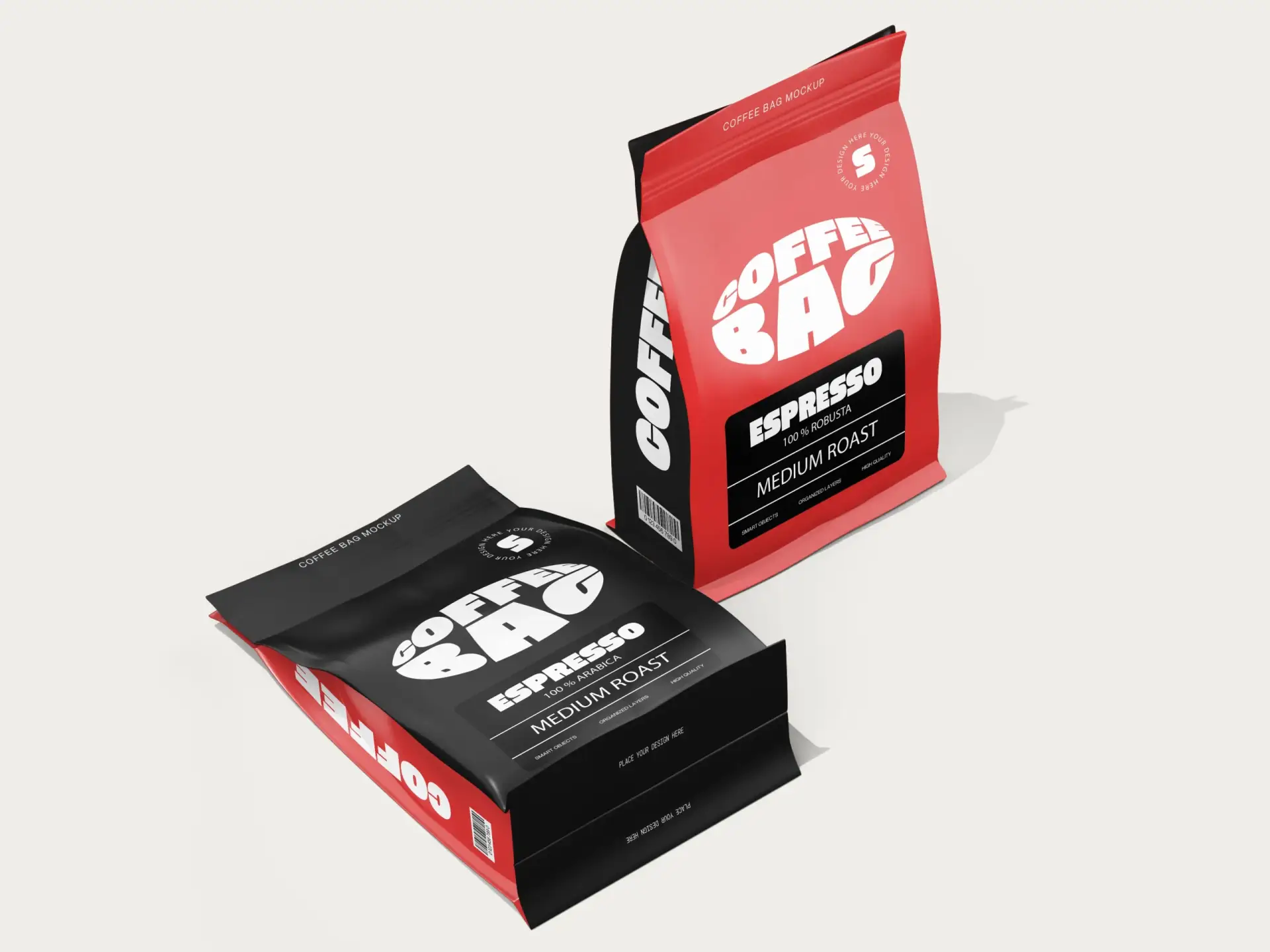
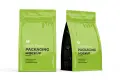
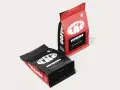
The 8-side-seal flat bottom pouch with zip-lock is a premium packaging solution for dry foods such as coffee, nuts, dried fruits, or confectionery. Its sturdy design allows the pouch to stand upright, enhancing shelf appeal. The resealable zip-lock helps maintain freshness after opening. With a large surface area ideal for branding and excellent moisture resistance, the flat bottom pouch offers the perfect combination of visual appeal and functionality
Suitable for: Nuts, Dried Fruit, Snack, Candy, etc.
Weight: 100g, 250g, 360g, 1,000g, etc.
Size: Contact for more information
Category: Flexible Packaging
Tags: Flexible packaging, Zipper flat bottom pouch, Zipper flat bottom pouch with tear notch, 8-side seal pouch, Premium flat bottom bag, Flat bottom bag with zipper
1. Functionality & Benefits
The flat-bottom structure provides excellent stability and upright display, making the product stand out on store shelves. The resealable zip lock feature adds value by allowing consumers to access the inner products multiple times while keeping the contents protected from external contaminants. This is especially important for assortments or products consumed over time. The pouch’s large surface area also allows for high-impact branding, nutritional labeling, and attractive design that supports premium positioning.
2. Application in Manual Packaging
Using a revised manual packaging process, workers first hand-pack individual small portions of products such as dried fruits, veggie chips, or snacks into sealed mini-pouches. These are then grouped and inserted into the larger flat-bottom pouch by hand. After inserting the small packs, the zipper is closed manually and a final heat seal is applied at the top for tamper evidence and extended shelf life. Optional nitrogen flushing can be used during this process for oxygen-sensitive contents.
This approach offers an efficient and cost-effective alternative to full automation, while maintaining high levels of quality control. It is particularly suitable for limited-edition sets, export packs, or retail SKUs requiring inner variety.
3. Materials and Customization for Flat Bottom Pouch
Flat-bottom zipper pouches are made from multi-layered films such as PET/AL/PE or OPP/CPP for barrier protection against moisture, oxygen, and light. Eco-friendly versions using Kraft paper laminates are also available. Thicknesses range from 50 to 150 microns, and sizes can be customized to fit the number and dimensions of the inner small pouches. Finishing options include matte or glossy coating, transparent windows, and high-definition printing to showcase brand identity and provide visibility of internal contents.
Flat-bottom pouches with zip locks are an ideal choice for secondary packaging, where several individually packed smaller units—such as snack pouches, dried fruit packs, or single-serve nut bags—are grouped inside a single, resealable outer pouch. This format is commonly used for value packs, assorted product collections, or gift sets, enhancing both consumer convenience and retail shelf appeal.

Step 1: Product Preparation
Before packaging begins, workers manually sort and prepare the product to ensure quality. This involves cleaning and carefully inspecting items such as coffee beans or dried fruits to remove any defective pieces. Each portion is then weighed into pre-measured batches using digital scales to ensure consistency across the final product units. These batches are set aside in trays or containers, ready to be packed.
Step 2: Pouch Preparation
Flat-bottom zipper pouches are individually opened by hand and arranged at the workstations for easy access. Workers ensure each pouch is clean, structurally intact, and that the zipper mechanism is working correctly. Any pouches with faulty zippers or damage are removed to prevent issues later in the process.
Step 3: Manual Filling
Workers manually fill each pre-opened pouch using scoops, funnels, or portioning tools to minimize product spillage. The pre-portioned product batches from Step 1 are transferred into the pouches one by one. While every pouch is filled by hand, periodic weight checks—typically every tenth pouch—are performed to verify the accuracy and consistency of the filling process.
Step 4: Zipper Closure
Once filled, each pouch is closed by hand, making sure the zipper seal is aligned properly and completely fastened without gaps. This step is crucial to preserve freshness and maintain hygiene. Workers visually inspect the pouches to ensure that the zipper is securely locked and the product is sealed before proceeding to the next stage.
Step 5: Machine Sealing
After the zippers are closed, the pouches are sealed at the top using a semi-automatic heat-sealing machine. This top seal reinforces the pouch closure and creates an airtight environment that helps protect the product during storage and transportation. The machine’s settings—such as sealing temperature and duration—are calibrated carefully to match the pouch material and avoid burning or weak seals.
Step 6: Final Inspection & Packing
In the last stage, quality control personnel inspect sealed pouches for any visible defects, including seal strength and leakage. Random samples may be tested by gently squeezing to check for air retention. Approved pouches are then labeled (if not pre-printed), organized into shipping boxes, and prepared for storage or delivery. This final inspection ensures only products that meet quality standards are dispatched.
CONTACT US FOR QUOTATION
If you want to request quotation or any assistance, please leave your information here


